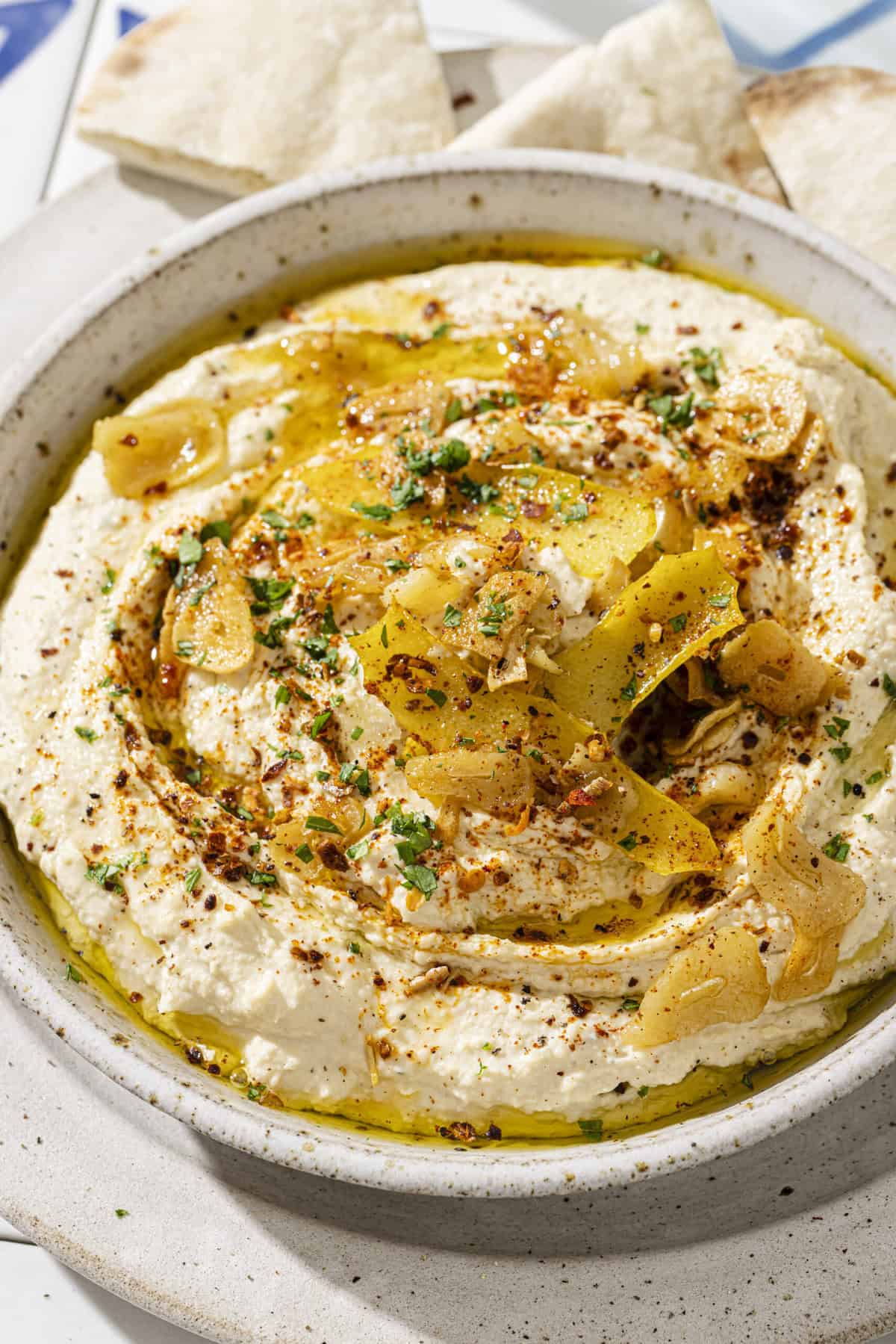
Mastering the Art of Homemade Hummus: Beyond the Basics
You’ve taken the first step on your culinary journey by learning how to make homemade hummus - Article 1, and now you know the immense satisfaction of creating this creamy dip from scratch. But what if we told you there are secrets to unlock an even more divine, restaurant-quality hummus experience right in your own kitchen? This article dives deeper, transforming your good homemade hummus into an unforgettable, silky-smooth masterpiece. We'll explore advanced techniques, ingredient nuances, and troubleshooting tips to truly master the craft of how to make homemade hummus.
From achieving that impossibly smooth texture to finessing the flavor profile, every detail matters. Get ready to elevate your hummus game and impress even the most discerning palates with your superior homemade creation.
The Secret to Silky Smooth Hummus: Texture Techniques
The hallmark of truly exceptional homemade hummus is its texture. It should be light, airy, and utterly smooth, melting in your mouth without a hint of grittiness. Achieving this requires a few deliberate steps that go beyond simply blending ingredients. Master these techniques, and you'll redefine your understanding of how to make homemade hummus.
To Peel or Not to Peel? The Chickpea Debate
This is perhaps the most significant secret to achieving that coveted velvety texture. The outer skins of chickpeas, though tiny, contribute to a slightly gritty mouthfeel. Removing them makes a noticeable difference.
- The Manual Method: If using canned chickpeas, drain and rinse them thoroughly. Gently pinch each chickpea between your thumb and forefinger, and the skin will slip right off. This can be meditative (or tedious, depending on your mood!), but yields excellent results for small batches.
- The Baking Soda Trick (for Canned Chickpeas): For a faster approach, spread rinsed chickpeas on a baking sheet. Sprinkle with ½ teaspoon of baking soda and toss to coat. Roast at 350°F (175°C) for 10-15 minutes until the skins loosen. Rub them vigorously with a clean kitchen towel; many skins will come off. Submerge in water, and the skins will float to the top for easy skimming.
- The Baking Soda Trick (for Dried Chickpeas): If cooking dried chickpeas from scratch, add ½ to 1 teaspoon of baking soda to the water during the last 30 minutes of cooking. This softens the skins significantly, making them virtually dissolve during blending.
The Power of Baking Soda: A Game Changer
Beyond loosening skins, baking soda plays another crucial role: it helps break down the pectin in the chickpeas, making them incredibly soft and creamy. This is especially useful if you're not peeling them individually. Incorporating a small amount of baking soda, whether during cooking dried chickpeas or even lightly sautéing canned ones before blending, will ensure your hummus reaches peak creaminess.
Ice-Cold Water (or Ice Cubes): Your Blending Buddy
This might sound counterintuitive, but adding ice-cold water (or a few ice cubes) during the blending process is a game-changer. Here's why:
- Emulsification: The cold water helps emulsify the tahini and olive oil, creating a lighter, airier texture.
- Temperature Control: Blending generates heat. Keeping the mixture cold prevents the tahini from becoming bitter and helps maintain a bright flavor.
- Adjusting Consistency: It allows you to gradually thin the hummus to your desired consistency without compromising flavor or texture.
Blending for Brilliance: Patience is Key
A powerful food processor or high-speed blender is essential for truly smooth hummus. Don't rush this step.
- Initial Blend: Start by blending the chickpeas with the lemon juice, tahini, garlic, and salt until a rough paste forms.
- Gradual Addition: Slowly drizzle in the ice-cold water (or drop in ice cubes one by one) while the machine is running.
- Scrape and Continue: Stop periodically to scrape down the sides of the bowl. This ensures everything is incorporated evenly.
- Long Blend: Continue blending for 3-5 minutes, or even longer, until the hummus is incredibly smooth and light, almost whipped. The longer you blend, the creamier it often becomes.
Elevating Your Ingredients: Quality Matters
While techniques are vital, the quality of your core ingredients forms the foundation of truly exceptional homemade hummus. Just like with any simple dish, superior components shine through. Understanding their impact is key to perfecting how to make homemade hummus that stands out.
The Tahini Effect: Choosing Wisely
Tahini (sesame paste) is a cornerstone of hummus flavor and texture. It contributes richness, a nutty depth, and helps create the creamy consistency.
- Light Roast, Smooth Texture: Opt for tahini made from lightly roasted, hulled sesame seeds. It should be light in color, pourable (not thick and pasty), and have a mild, nutty aroma. Darker, thicker tahini can often lead to a bitter taste.
- Stir Well: Like natural peanut butter, tahini separates. Always stir it thoroughly before measuring to ensure a consistent blend of oil and solids.
- Brands Matter: Don't be afraid to try different brands until you find one you love. High-quality tahini makes all the difference.
Fresh Lemon Juice & Good Olive Oil: Non-Negotiables
- Freshly Squeezed Lemon Juice: This isn't just a suggestion; it's a rule. Bottled lemon juice often has a dull, metallic, or overly tart flavor that can ruin your hummus. Freshly squeezed provides a bright, vibrant acidity that balances the richness of the tahini.
- High-Quality Extra Virgin Olive Oil: While some recipes suggest drizzling olive oil on top, incorporating a small amount into the blend itself can add an extra layer of richness and smoothness. Always use a good quality extra virgin olive oil for both mixing and garnishing. Its fruity notes complement the other ingredients beautifully.
Chickpeas: Dried vs. Canned
The choice of chickpeas significantly impacts flavor and texture.
- Dried Chickpeas: Cooking dried chickpeas from scratch allows for superior control over their tenderness and flavor. They tend to yield a creamier, more flavorful hummus. Soak them overnight, then cook until very soft – almost mushy. This is where the baking soda trick during cooking really shines.
- Canned Chickpeas: Convenient and effective, but choose a good quality brand. Always rinse them thoroughly to remove excess sodium and any canning liquid. To improve their texture, you can simmer rinsed canned chickpeas with a pinch of baking soda and fresh water for about 10-15 minutes until extremely tender, then drain before using.
Troubleshooting Common Homemade Hummus Hurdles
Even with the best intentions, making homemade hummus can sometimes present challenges. Don't despair if your first few attempts aren't perfect. Understanding common issues and their solutions is crucial for consistently great results when learning how to make homemade hummus.
Why is My Hummus Gritty?
- Unpeeled Chickpeas: As discussed, the skins are the primary culprit. Peeling, or using the baking soda method, is key.
- Insufficient Blending: You need to blend for longer than you think! Give your food processor at least 3-5 minutes of continuous blending, scraping down the sides often.
- Not Soaking/Cooking Dried Chickpeas Enough: If using dried, ensure they are cooked until incredibly tender, almost falling apart.
My Hummus is Too Thick/Thin
- Too Thick: This is an easy fix! Gradually add more ice-cold water (or even a little more lemon juice) tablespoon by tablespoon while blending, until you reach your desired consistency.
- Too Thin: If it's only slightly thin, blend for another minute or two; sometimes the emulsion thickens. If it's significantly too thin, you can try adding a handful of cooked, peeled chickpeas (if you have extra) and re-blending, or a bit more tahini, but be careful not to make it bitter. Sometimes, the best solution is to accept a slightly thinner batch or use it as a dressing.
The Bitter Taste Culprit
- Too Much Tahini: While tahini is essential, excessive amounts, especially if it's a dark or lower quality variety, can make your hummus bitter. Stick to the recipe's recommended amount, or adjust slightly downwards if your tahini is potent.
- Old/Rancid Tahini: Always check the freshness of your tahini. If it smells off or tastes overly bitter straight from the jar, it will make your hummus bitter.
- Raw Garlic Overload: Raw garlic can be very pungent. If you find it too sharp, reduce the amount or try roasting the garlic cloves slightly before adding them for a mellower flavor.
Flavor Falling Flat?
- Insufficient Salt: Salt is a flavor enhancer. Taste your hummus and add more salt incrementally until the flavors pop.
- Lack of Acid: If it tastes dull, it might need more fresh lemon juice to brighten it up.
- Missing Spices: While a basic hummus is simple, a pinch of cumin can add warmth and depth. Don't be afraid to experiment with other spices (see next section).
- Under-garliced: If you love garlic, you might simply need more!
Advanced Flavor Boosters for Your Homemade Hummus
Once you've mastered the basic techniques and consistency, it's time to play with flavor. Customizing your hummus is one of the most rewarding aspects of learning how to make homemade hummus. These additions can transform a classic into something truly special.
Roasting Garlic for Milder, Mellow Flavor
If raw garlic is too assertive for your palate, roasting it is a fantastic alternative. Simply slice the top off a head of garlic, drizzle with olive oil, wrap in foil, and roast at 400°F (200°C) for 30-40 minutes until cloves are soft and golden. Squeeze out the sweet, caramelized cloves and blend them into your hummus for a deeply savory, less pungent garlic flavor.
Spice It Up: Cumin, Paprika, and Beyond
While often used as a garnish, spices can be incorporated directly into the hummus for deeper flavor:
- Cumin: A touch of ground cumin is traditional and adds an earthy warmth. Start with ½ teaspoon and adjust to taste.
- Smoked Paprika: For a smoky depth and beautiful color, add ½ to 1 teaspoon of smoked paprika.
- Cayenne Pepper: If you like a little kick, a pinch of cayenne pepper can provide a subtle heat.
- Za'atar: This Middle Eastern spice blend (thyme, sesame, sumac) can be added for an authentic, aromatic profile.
Herbaceous Wonders: Fresh Parsley or Cilantro
For a vibrant, fresh twist, blend in a handful of fresh herbs. Flat-leaf parsley or cilantro work wonderfully, adding color and a burst of herbaceous flavor. Add them during the final minute of blending to retain their brightness.
- Pesto Hummus: Blend in a tablespoon or two of basil pesto for an Italian-inspired fusion.
- Roasted Red Pepper: Roast a red bell pepper until charred, peel it, and blend it in for a sweet, smoky, and colorful hummus.
- Sun-Dried Tomato: Add a few oil-packed sun-dried tomatoes (drained) for an intense umami boost.
The beauty of learning how to make homemade hummus lies in its versatility. These advanced techniques and flavor boosters allow you to personalize your creation, moving beyond a simple dip to a culinary statement.
Conclusion
By delving into these advanced techniques, ingredient considerations, and troubleshooting tips, you're no longer just making hummus; you're crafting it. Mastering the art of how to make homemade hummus - Article 2 involves patience, experimentation, and an appreciation for quality ingredients. From the velvety texture achieved by peeling chickpeas and using baking soda to the nuanced flavors brought by superior tahini and fresh lemon, every detail contributes to a superior result. Don't be afraid to experiment with different flavor enhancers or fine-tune the consistency to your personal preference. The journey to the perfect homemade hummus is a rewarding one, promising endless delicious possibilities. For ideas on how to serve your incredible creation and even more flavor variations, be sure to check out how to make homemade hummus - Article 3.
